
best games with villain protagonist storylines are perfect when you’re bored of squeaky-clean heroes and want a story that lets you make the “wrong” choice on purpose, without the writing falling apart.
The problem is, a lot of games promise you can be evil, then quietly nudge you back toward being a reluctant savior. Or the villain angle is purely cosmetic, a few edgy dialogue options, then the plot goes right back to standard hero stuff.

This guide filters for games where the villain perspective is the point, whether you’re a tyrant, an anti-hero who crossed the line, or a monster trying to survive. You’ll also get a quick table for picking based on time, tone, and how “evil” the game actually lets you be.
What counts as a “villain protagonist” storyline (and what doesn’t)
Not every morally gray lead is a villain, and that distinction matters if you’re chasing a specific vibe. In practice, villain-protagonist stories usually land in one of these buckets.
- Playable villain by design: the game frames you as the bad guy from the start, your goals harm others, and the world reacts accordingly.
- Corruption arc: you begin human-ish, then your choices push you into villain territory, with real consequences.
- Monster POV: you play a creature society fears, and the story leans into survival, predation, or manipulation.
- “Everyone is worse” satire: you’re not uniquely evil, but you’re operating in a world built on cruelty, and the writing refuses to sanitize that.
What doesn’t qualify, at least for this list: games where “evil” is a skin, a single ending, or a side-route that barely changes how you’re treated.
Quick picks table: best games where you play the bad guy
If you want to choose fast, this table helps match mood and time budget. “Villain level” is a practical read, not a moral score.
| Game | Genre | Why it fits | Villain level | Best for |
|---|---|---|---|---|
| Overlord (1/2) | Action / Strategy | You’re literally the dark lord, commanding minions | High | Comedic evil power fantasy |
| Tyranny | CRPG | You enforce an evil empire’s law in a conquered land | High | Choice-and-consequence roleplay |
| Prototype | Open-world Action | Bioweapon lead, messy morality, city-as-playground chaos | Medium-High | Fast, destructive movement combat |
| Grand Theft Auto V (story mode) | Open-world | Criminal leads, heists, and selfish motivations | Medium | Big-budget crime drama |
| Dishonored | Stealth / Immersive Sim | You can choose to become the monster, world darkens with chaos | Variable | Stealth players who want moral agency |
| Carrion | Indie Action | You are the horror movie creature | High | Short, satisfying monster rampage |
| Undertale (Genocide route) | Indie RPG | Villainy is a deliberate player choice with heavy tone | High | Players who can handle discomfort |
Best games with villain protagonist storylines (editor’s shortlist)
These picks lean hard into being the antagonist, or letting you become one in a way the game actually respects. Availability varies by platform and region, but most are easy to find on PC storefronts and modern consoles.
Overlord (and Overlord II)
This is the straight-shot answer if you want to play a classic dark lord. You stomp villages, steal treasure, and send little gremlin minions to do your dirty work, while the game keeps a satirical, not-grim tone.
- Why it works: the fantasy isn’t “misunderstood hero,” it’s gleeful domination.
- What to expect: action combat plus light management, lots of cheeky humor.
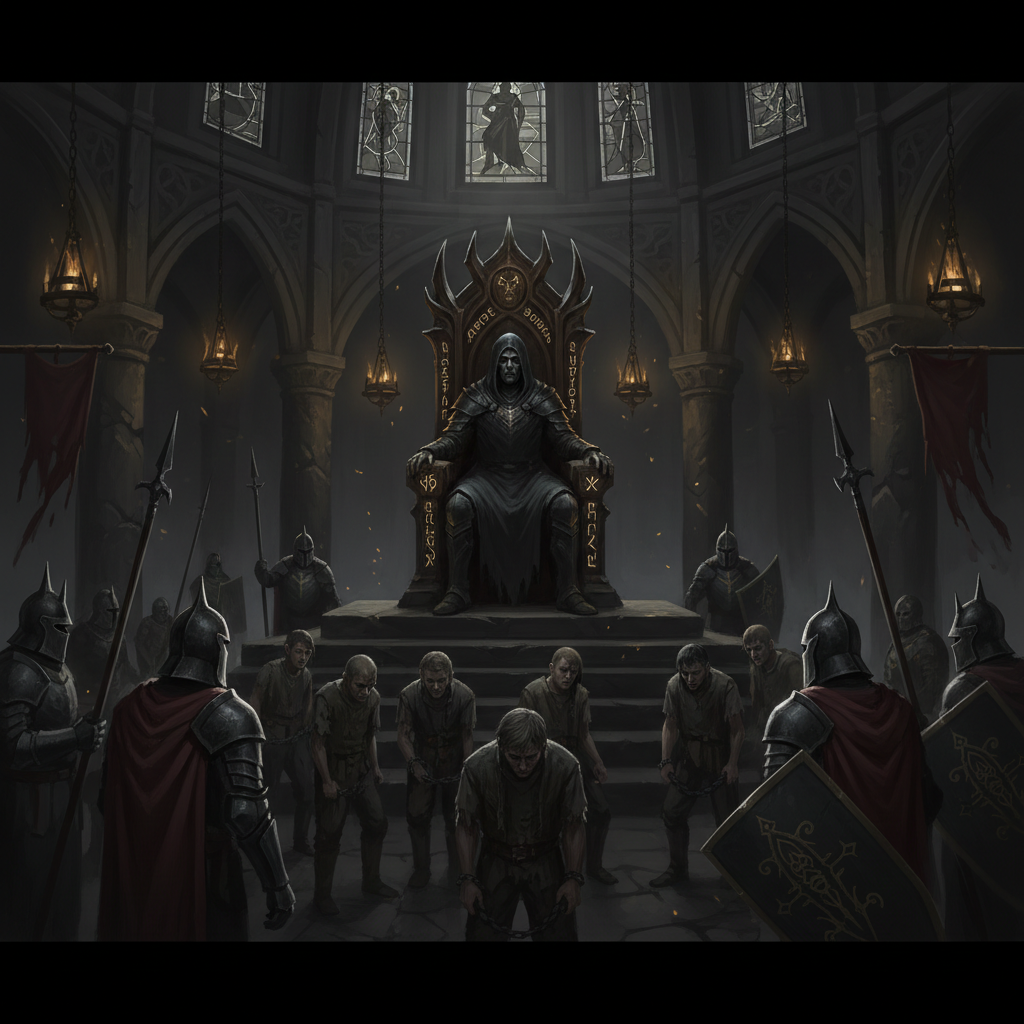
Tyranny
Tyranny asks a rare question: what if the evil empire already won? You’re a high-ranking agent interpreting brutal law, and your “good” options often feel like choosing which kind of cruelty you can live with.
- Why it works: choice-and-consequence writing that treats villainy as governance, not cosplay.
- Heads-up: heavy reading, morally bleak atmosphere.
Prototype
Prototype sells power in a way that feels slightly uncomfortable, in a good storytelling sense. You’re more weapon than person, and the city becomes your hunting ground as the narrative leans into violence and paranoia.
- Why it works: the protagonist’s actions are frequently monstrous, and the game doesn’t rush to excuse them.
- Best moment-to-moment: movement and combat chaos, quick sessions.
Dishonored (high-chaos playthrough)
Dishonored is famous because it makes your behavior visible. Choose lethal tools, leave bodies, terrify the city, and the world shifts into a darker, more desperate place. You’re not “the villain” in a cartoon sense, but you can absolutely become the story’s nightmare.
- Why it works: systems support villain behavior, and the narrative reacts.
- Tip: if you want the villain fantasy, commit to high chaos early instead of half-measures.
Carrion
Carrion flips the script: you are the lab escape, the crawling mass, the thing people scream about. It’s short, sharp, and very honest about what you are.
- Why it works: no moral hedging, no “maybe you’re the hero,” just creature logic.
- Best for: players who want a weekend game with a strong hook.
Grand Theft Auto V (story mode)
GTA V isn’t a “villain origin story,” but it’s one of the cleanest examples of mainstream games letting you inhabit selfish, destructive people for dozens of hours. The writing also understands how criminals justify themselves, which is part of why it lands.
- Why it works: characters do bad things for bad reasons, and it stays entertaining without pretending they’re saints.
- Watch for: tonal swings between satire and seriousness.
Undertale (Genocide route)
This one comes with a real caveat: it’s emotionally prickly. The game makes you work for cruelty, then holds up a mirror. If you’re looking for a villain story that actually interrogates the player, it’s hard to forget.
- Why it works: villainy is a choice, and the game treats it as consequential, not a bonus.
- Practical note: you’ll need patience, because the route can be repetitive by design.
How to tell if a game will really deliver a villain storyline
Marketing copy loves the word “choices,” but villain-protagonist games tend to have a few tells. Use this checklist before buying.
- The world responds: NPC behavior, endings, and mission outcomes shift based on your cruelty, not just a karma number.
- Your goals are allowed to be selfish: you aren’t constantly redirected into saving strangers.
- Tools match the fantasy: mechanics support intimidation, domination, deception, or predation.
- Consequences feel specific: losing allies, changing factions, altered maps, or narrative locks, not just different dialogue.
According to ESRB, rating descriptors and content notes can help you understand what kind of violence or themes a game actually includes, which can be useful if you’re trying to avoid certain content while still getting a darker story.
Practical ways to choose the right “evil lead” game for your taste
People bounce off villain stories for different reasons, sometimes it’s not the darkness, it’s the wrong flavor of darkness. A few quick sorting questions help.
If you want “fun evil,” not bleak evil
- Go for: Overlord, sandbox crime games, satire-heavy titles.
- Avoid: grim political CRPGs if you’re gaming to decompress.
If you want deep roleplay and branching outcomes
- Go for: Tyranny, Dishonored (commit to a style of play).
- Shopping tip: read a spoiler-light “choice impact” review, not just a score.
If you want a short, punchy villain campaign
- Go for: Carrion, tightly scoped indies.
- Why: the concept stays fresh, and the game ends before repetition sets in.

Common mistakes when chasing villain-protagonist stories
A few patterns show up when players say a “villain game” disappointed them, and it’s usually predictable.
- Expecting nonstop shock value: good villain writing often spends time on motive, rationalization, and power dynamics.
- Mixing playstyles in reactive games: in systems like Dishonored, dabbling in both can water down the narrative feedback you’re hoping to see.
- Confusing “criminal” with “villain”: some crime stories still frame you as charming underdogs, which may not scratch the itch.
- Ignoring content sensitivity: darker games can include themes that are worth checking before you commit.
Key takeaways (so you can pick in 60 seconds)
- Overlord nails comedic dark-lord fantasy when you want “evil” without emotional heaviness.
- Tyranny is one of the cleanest examples of a narrative built around serving an evil regime.
- Dishonored becomes a villain story when you commit to high chaos and let the world rot.
- Carrion delivers the pure monster POV with zero moral softening.
- If you’re hunting for best games with villain protagonist storylines, prioritize titles where systems and story both react to your behavior.
Conclusion: enjoy the dark side, but pick the right kind of dark
The most satisfying best games with villain protagonist storylines don’t just let you do bad things, they make that perspective feel structurally real, through mechanics, consequences, and how characters treat you.
If you want one action pick, start with Prototype or a high-chaos Dishonored run. If you want story-first roleplay, Tyranny is the safer bet. Then stick to one “villain style” for a full playthrough, that’s usually where the writing hits hardest.
FAQ
What are the best games with villain protagonist storylines on PC?
Tyranny, Dishonored, and Overlord are common go-tos on PC because their mechanics support villain behavior and the games run well on a wide range of setups.
Are there any villain protagonist games that aren’t super depressing?
Yes. Overlord leans comedic, and some crime sandboxes keep a satirical tone. If you want dark themes without feeling emotionally drained, avoid games built around political oppression or heavy tragedy.
Is Dishonored really a villain protagonist game?
It can be. If you play lethal and drive chaos high, the world and story tone shift in a way that genuinely supports a “you became the monster” reading, but it’s still player-driven, not a fixed identity.
Which game here gives the most meaningful choices as a villain?
Tyranny usually stands out because the entire premise assumes you’re enforcing conquest, and many decisions change alliances and outcomes rather than just swapping dialogue.
What’s a good short villain game I can finish in a weekend?
Carrion is a strong pick if you want a tight campaign with a clear villain fantasy. It’s direct, memorable, and doesn’t overstay its welcome.
Do villain protagonist games tend to have more mature content?
Often, yes, though it varies. Checking the ESRB rating and descriptors is a practical way to avoid surprises, especially if certain themes are a no-go for you.
How do I avoid “fake evil choices” in RPGs?
Look for reviews that discuss reactivity: faction shifts, altered missions, or meaningful consequences. If the game mainly tracks a morality meter with minimal world changes, the villain route may feel thin.
If you’re trying to build a personal playlist of best games with villain protagonist storylines, keep a simple note after each game: did the world react, did the mechanics support my choices, and did I feel like the story trusted me to be the bad guy, that small habit makes your next pick much easier.