
best pistol whip vr tips 2026 really comes down to two things most players overlook: clean timing habits and a setup that stays comfortable when the tempo spikes.
If you feel stuck at the same score range, it’s rarely because you “can’t aim.” More often it’s tiny inconsistencies, a headset fit that drifts mid-song, or playing too tense so your wrists and shoulders fatigue early.
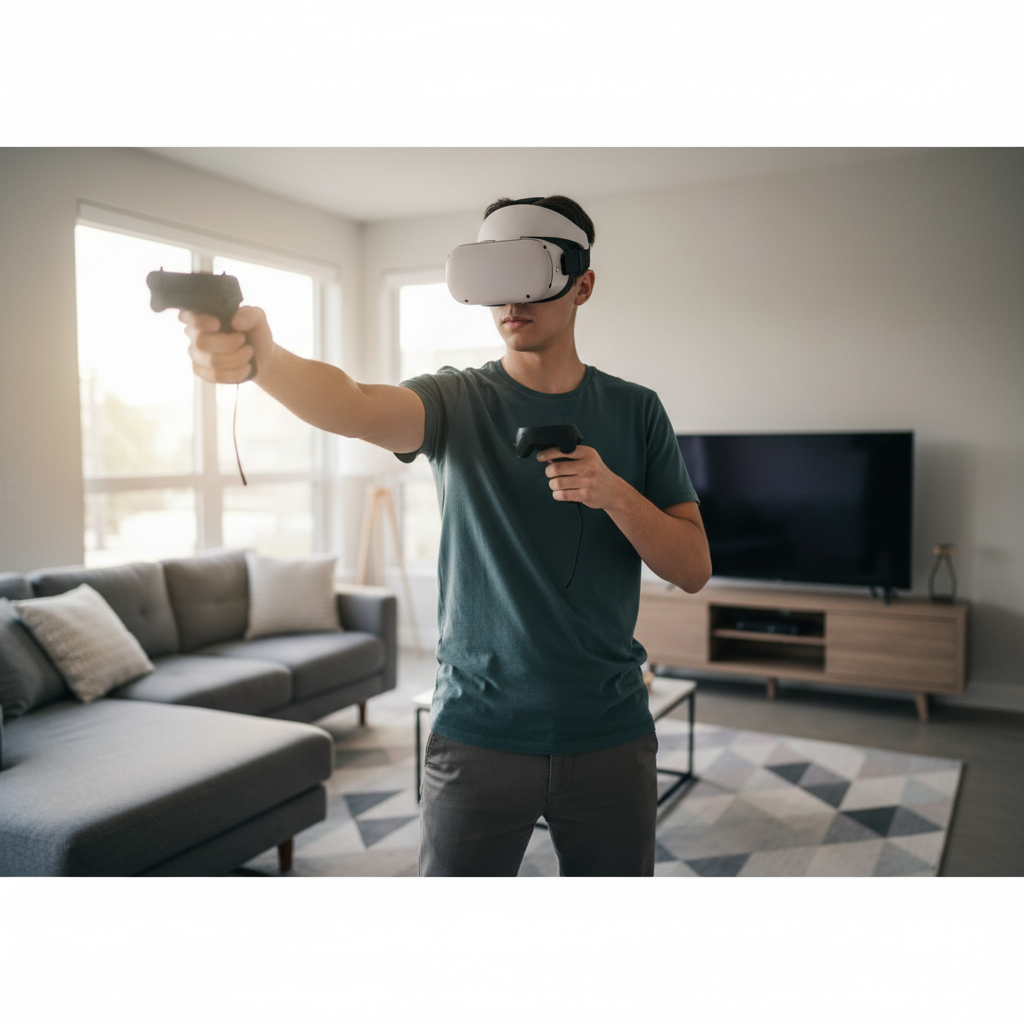
This guide focuses on what actually moves your performance: comfort, calibration, aiming and rhythm discipline, and a few score-friendly decisions that don’t turn the game into homework. You’ll also get a quick self-check, a practical table, and a short “do this next session” plan.
Get your setup stable before you chase high scores
The fastest way to improve is removing friction. When your headset shifts, controllers lose tracking, or the floor height is wrong, your “skill” gets taxed by tech.
- Headset fit: tighten enough to prevent bounce, but avoid face pressure that makes you quit early. If you keep re-adjusting, you’re losing focus and timing.
- Floor height and guardian: confirm the floor is correct, then set your play space so you can lunge or squat without fear. Small fear equals small movement.
- Lighting and reflectivity: many tracking systems dislike mirrors, glossy TVs, and harsh sunlight. If tracking feels “swimmy,” dim direct sun and cover reflective surfaces.
- Audio latency: if you use Bluetooth earbuds, latency can mess with rhythm. Wired or low-latency options tend to feel tighter.
According to the Meta Quest Safety Center, you should keep a clear play area and use a boundary system to reduce collision risk. It’s not just safety, it’s performance: confidence changes how you move.
Timing beats aim: the scoring mindset that matters
Pistol Whip rewards shots that “agree” with the beat and your movement choices. The trap is spraying bullets to feel busy, then wondering why the score stalls.
What high scorers do differently
- They shoot fewer shots, but each one lands on rhythm, and they avoid panic firing when a pattern gets dense.
- They treat dodging as part of the combo, not something that interrupts shooting.
- They keep their head level so visual tracking stays consistent, especially during squat chains.
If you want the “best pistol whip vr tips 2026” distilled into one habit, it’s this: prioritize rhythm stability over reaction speed, reaction speed comes later.
Dial in aim without overthinking: grip, lead, and lanes
Aim problems usually come from one of three places: grip tension, wrist-only movement, or not understanding where enemies spawn relative to your lane.
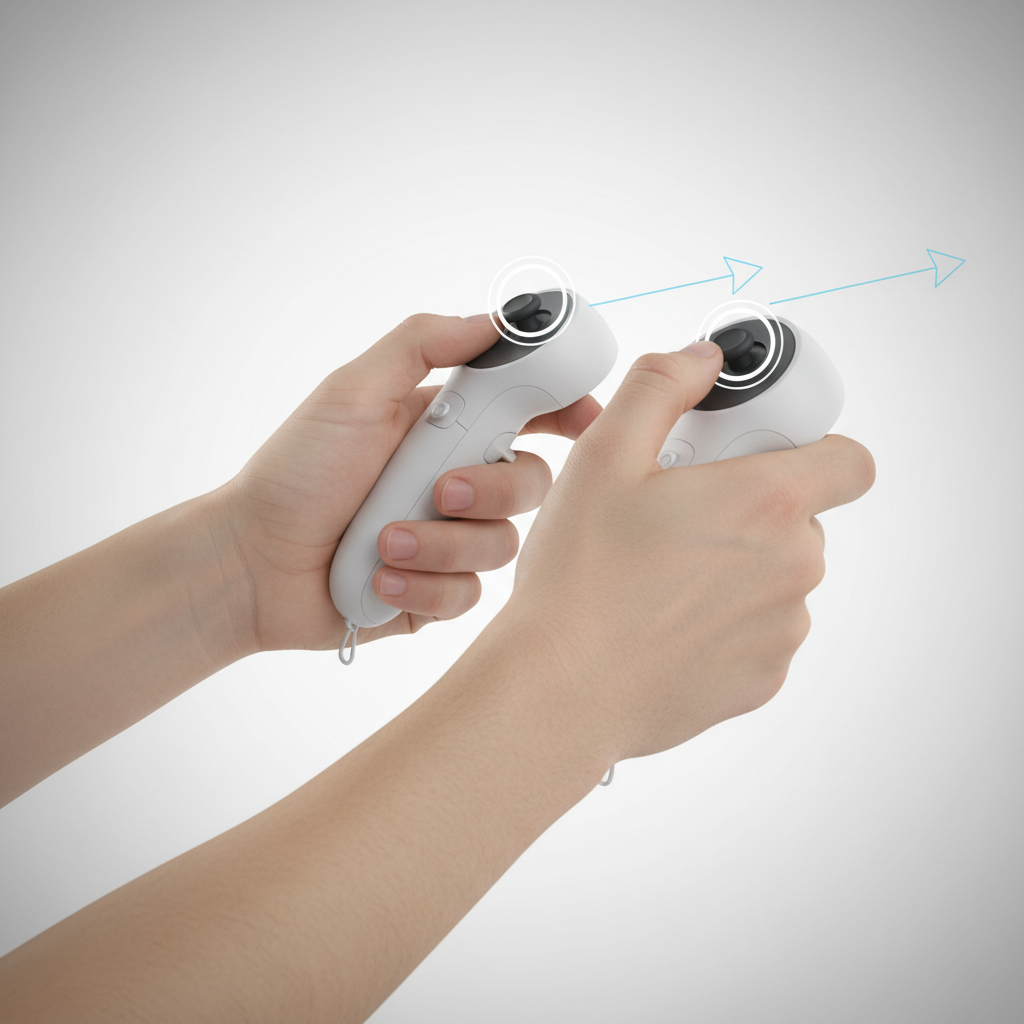
Quick aim fixes that translate immediately
- Relax the index finger and thumb: white-knuckle grip adds jitter, especially when you transition targets.
- Use shoulder + elbow: let the arm guide direction, then let the wrist “finish” the micro-correction.
- Pre-aim lanes: many enemy positions feel predictable once you notice patterns. Start rotating toward the next lane early, then fire on beat.
- Stop “chasing” missed shots: if you miss, re-center and hit the next beat clean. Chasing costs more points than the miss.
One small trick: pick a visual “horizon” point in the distance and keep your head relatively steady. Your hands can move fast, but your eyes prefer stable reference.
Movement and stamina: play longer, score higher
Fatigue changes your timing. When your shoulders burn, you start firing early, then dodging late, and the run unravels.
Form cues that reduce burnout
- Soft knees: keep a slight bend so dodges feel like shifts, not hard squats every time.
- Ribcage down: when you arch your back, you tire faster and your head bob increases.
- Exhale on dense sections: it’s simple, but it prevents “brace and panic” shooting.
According to the American Council on Exercise (ACE), warming up helps prepare joints and muscles for higher-intensity movement. For VR, that can be 2–3 minutes of shoulder circles, gentle squats, and light torso rotations. If you have pain, dizziness, or a medical condition, it’s smart to consult a healthcare professional.
Self-check: why your scores plateau (and what it points to)
Use this as a quick diagnostic after a session. Don’t fix everything at once, pick the one that matches your symptoms.
| What you notice | Likely cause | What to try next session |
|---|---|---|
| Misses spike during fast waves | Grip tension + late pre-aim | Loosen grip, rotate lanes earlier, accept one miss and reset |
| Dodges feel “too late” | Head bob + stance too tall | Soft knees, keep head level, dodge from hips not spine |
| Tracking feels inconsistent | Lighting/reflections or boundary drift | Adjust lighting, remove reflections, re-set guardian and floor |
| Great start, then collapse mid-run | Over-squatting + shoulder fatigue | Choose smaller dodges, lower arm tension, add short warm-up |
| Accuracy fine, score still low | Off-beat shots or combo breaks | Fire fewer shots, commit to rhythm, protect combo over flair |
Practical training plan (10–15 minutes) that feels doable
This is where most “best pistol whip vr tips 2026” lists fall apart, they tell you what to do but not how to practice without grinding. Here’s a short loop you can repeat 3–4 times a week.
1) Warm-up (2–3 minutes)
- Shoulder circles, slow air punches, 10 gentle squats
- One easy track, focus on staying relaxed and on beat
2) Rhythm lock drill (5 minutes)
- Pick one track you know well
- Rule: only shoot on clear beats, no “extra” shots
- If you miss, don’t chase, re-center and keep the beat
3) Lane discipline drill (5 minutes)
- Same track or a similar tempo
- Pre-aim where you expect the next target, then fire clean
- Keep head steady, let arms do the work
4) Cooldown (1–2 minutes)
- Gentle shoulder stretch and deep breathing
- Quick note: what broke first, rhythm or dodge timing?
Key takeaways to keep in mind during the plan:
- Stable setup beats clever technique if your tracking or floor height is off.
- Rhythm consistency usually raises scores faster than “faster hands.”
- Relaxed grip + pre-aim reduces misses in dense sections.
- Smaller dodges often keep combos alive longer than dramatic squats.
Mistakes that waste time (even if they feel productive)
Some habits look like training, but they mostly reinforce messy timing.
- Playing only the hardest maps: you end up practicing failure. Mix in one “confidence” track where you can focus on clean rhythm.
- Changing settings every session: if you tweak too often, you never learn what caused improvement.
- Over-squatting for style points: dramatic movement can be fun, but if it breaks your timing, it’s a trade you should choose intentionally.
- Ignoring discomfort: wrist pain or shoulder pinching is a stop sign. Adjust form, take breaks, and consider professional advice if it persists.
When to look up help: comfort, safety, and persistent plateaus
If you’ve applied the basics and your scores still won’t move, it may be a feedback issue rather than effort.
- Motion discomfort that doesn’t improve: shorten sessions, adjust comfort options, and consider talking with a clinician if you get nausea, dizziness, or headaches.
- Recurring joint pain: it often means grip tension or posture is off. A physical therapist or trainer can help you adjust safely.
- Tracking problems you can’t fix: community forums or official support channels can be more useful than guesswork, because device-specific quirks vary.
And yes, sometimes your “plateau” is just adaptation time. If you keep your setup consistent for two weeks, patterns become easier to read and your timing stops feeling forced.
Conclusion: a realistic way to improve this week
Chasing the best pistol whip vr tips 2026 is less about secret settings and more about boring fundamentals you can actually repeat: stable comfort, calm grip, pre-aim lanes, and shots that land on rhythm.
For your next session, pick one track, run the 10–15 minute plan, and only measure two things: whether your misses drop in fast waves, and whether your dodges stay on time. If those improve, your score follows.
If you want a smoother path, record one run, watch just 60 seconds where you struggled, then adjust a single variable. That small loop beats random grinding almost every time.