
is vr gaming worth it 2026 is a fair question, because VR sits right in that awkward zone between “this is the future” and “this might end up in my closet.”
If you mostly play on a couch, hate fiddly setup, or get motion sick easily, VR can feel like an expensive experiment, not a hobby. But if you love immersion, social hangouts, fitness-style play, sims, or creative tools, 2026 is also one of the most practical times to try VR, the hardware and libraries have matured, and there are more “every week” use cases than there used to be.
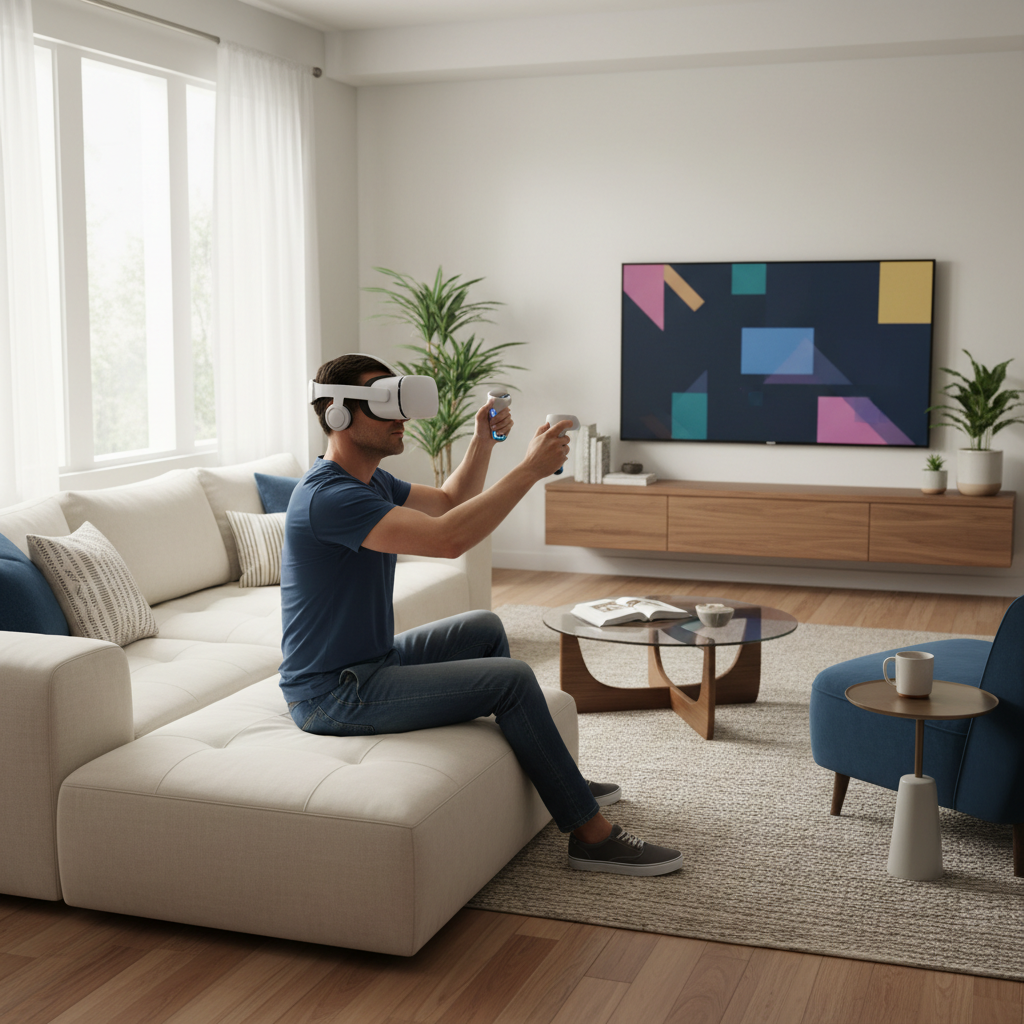
The real trick is not asking whether VR is “good,” it’s matching the right headset and play style to your tolerance for comfort, space, and ongoing costs. This guide breaks down the practical reasons people stick with VR, the reasons they quit, and how to decide without buyer’s remorse.
What “worth it” means in 2026 (it’s not just graphics)
Most people evaluate VR like a console upgrade, better visuals, more frames, bigger library. That matters, but the bigger “worth it” drivers are behavioral.
- Repeatability: Will you use it weekly, not just for a weekend?
- Comfort tolerance: Headset weight, heat, face pressure, and motion style.
- Friction: Charging, updates, guardian setup, room clearing, audio.
- Social pull: Friends in VR, multiplayer communities, shared sessions.
- Extra value: Fitness, creative apps, media, travel-style experiences.
In other words, is vr gaming worth it 2026 depends less on whether VR is “impressive,” and more on whether it fits how you actually relax after work.
The biggest reasons VR feels worth it (and who benefits most)
VR tends to click hardest for a few common player profiles.
If you want immersion you can’t get on a TV
Room-scale dodging, aiming with your hands, and real depth cues can make even simple games feel intense. Rhythm, shooters, and horror are the obvious examples, but puzzle and exploration games often benefit just as much.
If you like “active gaming” or at-home fitness
Many people keep VR because it replaces a chunk of gym motivation with something more fun. According to the Centers for Disease Control and Prevention (CDC), adults benefit from regular physical activity for overall health, VR workouts can be one way to stay moving, though intensity varies by app and your play style.
If you’re into sims (driving, flight, racing rigs)
Simmers often describe VR as the biggest realism leap, especially with a wheel, HOTAS, or solid PC. The tradeoff is tinkering, you’re buying an experience that can require troubleshooting.
If you want casual social hangouts
VR can be less “gaming” and more “place,” casual chats, mini-games, watch parties, and events. If you have even one or two friends who show up regularly, VR becomes easier to justify.
The reasons people regret VR purchases (be honest here)
This is where most “is vr gaming worth it 2026” searches come from, people tried VR before, bounced off, and wonder if it changed enough.
- Motion sickness: Artificial locomotion can cause nausea in some users. Many improve with comfort settings and short sessions, but not everyone.
- Comfort issues: Face pressure, glasses fit, sweat, and lens fog can ruin longer play.
- Space constraints: If you’re constantly moving a coffee table, you’ll play less.
- “Setup tax”: Charging controllers, updates, boundary setup, PC drivers.
- Library mismatch: You wanted deep 40-hour RPGs, you found shorter experiences.
Also, VR is more “you have to want to do it.” If your default relaxation is passive, VR can feel like effort.
Quick self-check: are you likely to use VR after the first month?
Answer these quickly, no overthinking. More “yes” answers usually means a better chance you’ll stick with it.
- You enjoy games that reward movement, aiming, or rhythm.
- You can dedicate a small, consistent play area (even a cleared corner).
- You’re okay with short sessions at first, especially for comfort training.
- You like tinkering a bit, or you’re choosing a low-fuss standalone setup.
- You’ll use it for more than one thing (gaming + fitness, or gaming + social).
- You have a realistic plan for storage and charging, so it’s not “out of sight.”
If you answered “no” to comfort and space, VR can still work, but you should bias toward seated experiences, strong comfort settings, and minimal setup.
Cost reality in 2026: what you may pay beyond the headset
Sticker price is only part of the decision. A simple budget view helps you decide whether is vr gaming worth it 2026 for your situation.
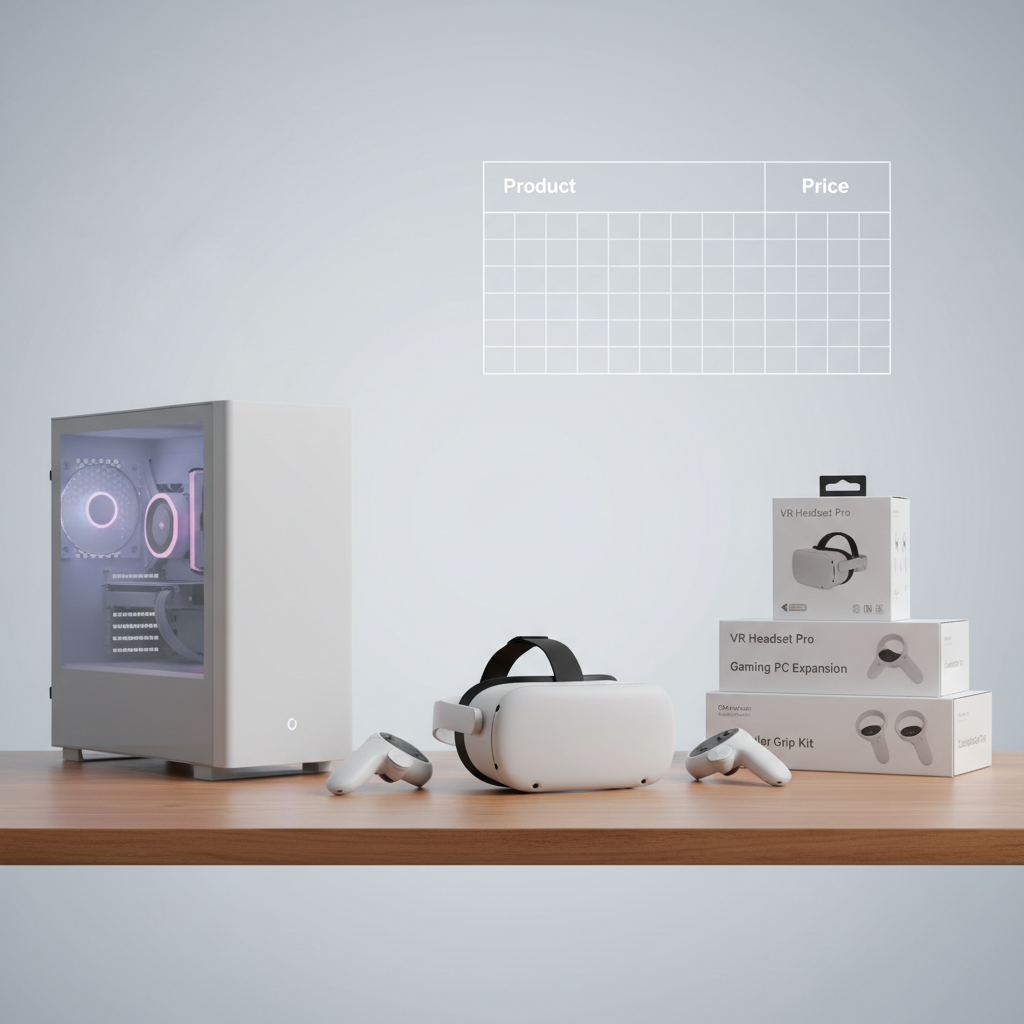
| Cost area | What it covers | When it matters most |
|---|---|---|
| Headset | Standalone or PC-connected VR | Always |
| Comfort upgrades | Strap, facial interface, prescription inserts | If you play 30+ minutes per session |
| Audio | Earbuds or headphones that fit the headset | If built-in audio feels thin or leaks sound |
| Games and apps | Premium titles, subscriptions, DLC | If you want variety month-to-month |
| PC or accessories | GPU upgrades, link cable, router upgrades | If you want high-end PC VR or streaming |
If you already own a strong gaming PC, VR can feel like a smart “experience upgrade.” If you’d need a PC upgrade plus the headset, the value bar rises fast.
How to make VR worth it: a practical setup and buying plan
If you decide to try VR, this is where people either enjoy it for years or quietly stop using it.
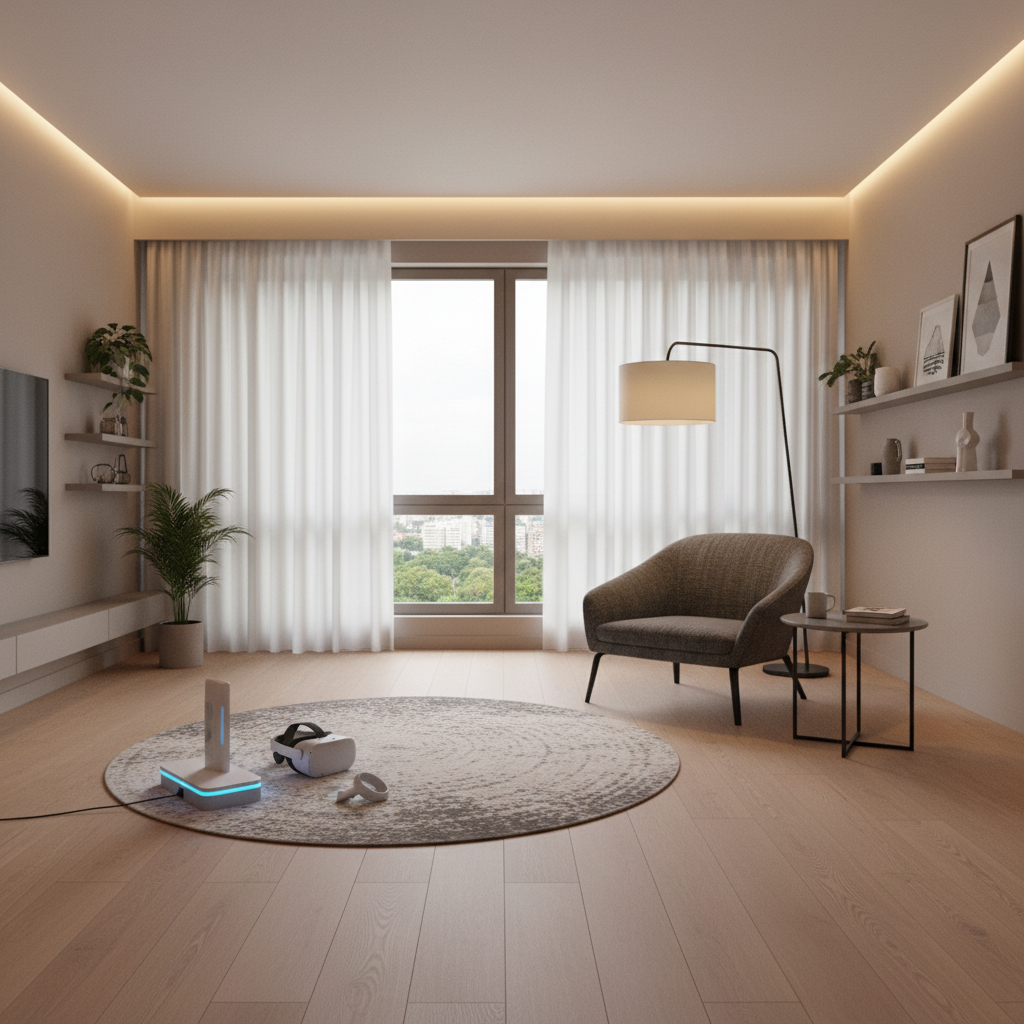
Step 1: Pick your “default mode” (standing, room-scale, seated)
- Seated-first: Great for sims, story games, and small apartments.
- Standing small-space: Works for rhythm and shooters with turning-in-place.
- Room-scale: Most immersive, but needs reliable open space.
Choosing a default mode reduces friction. You stop “resetting your life” to play.
Step 2: Plan for comfort before you plan for graphics
- Start with short sessions and stop at the first sign of nausea.
- Use comfort options like teleport movement, snap turning, vignettes.
- Dial in fit so weight sits on the strap, not your face.
If you’re prone to migraines, vertigo, or balance issues, VR may not be a great fit, and it’s reasonable to ask a medical professional for guidance.
Step 3: Buy 2–3 “anchor apps” you’ll actually return to
One common mistake is buying ten games, finishing none, and concluding VR is shallow. Pick a mix:
- One comfort-friendly staple: rhythm, sports, casual multiplayer.
- One immersive showcase: story, exploration, horror if you like it.
- One utility: fitness, creative, or media app you can use anytime.
Step 4: Reduce “inertia” with charging and storage
Keep the headset where you can grab it, keep it charged, and keep controllers paired. Sounds basic, but it’s often the difference between weekly use and forgetting you own it.
Common misconceptions (and what to do instead)
- Myth: VR is only for hardcore gamers. In practice, casual movement games and social apps drive a lot of repeat use.
- Myth: More resolution fixes everything. Comfort, lenses, and fit usually matter more than raw pixels.
- Myth: You need a huge room. Many popular games work in a small standing area, as long as you set boundaries.
- Myth: Motion sickness means you can’t do VR. Many improve with comfort settings and slow progression, but some people should avoid pushing through.
One more thing: if you’re buying VR mainly for “the next big AAA release,” you might feel impatient. VR shines when you enjoy shorter, more physical sessions mixed with a couple of deeper games.
Key takeaways and the 2026 verdict
For most people, is vr gaming worth it 2026 comes down to comfort + consistency, not hype. VR is usually worth it if you can picture yourself using it weekly for one of these reasons: active play, social time, sim immersion, or a specific genre you already love. If you’re expecting it to replace traditional couch gaming, it can feel like a mismatch.
- If you want low friction: prioritize ease of use and comfort accessories.
- If you want maximum immersion: budget time for setup and occasional troubleshooting.
- If you’re unsure: try VR in a store, at a friend’s place, or buy from a retailer with a clear return policy.
If you want one action step, make a short list of three games or apps you’d genuinely use in month one, if you can’t, that’s a useful signal to wait.
FAQ
Is VR gaming worth it 2026 if I only play on weekends?
It can be, but weekend-only users usually enjoy VR more when they pick “instant fun” titles that boot fast. If your VR time competes with long story games on a console, VR may get pushed aside.
Do I need a gaming PC for VR in 2026?
Not necessarily. Many people start with standalone VR and only move to PC VR if they want sims, mods, or higher-end visuals. Your tolerance for setup should guide that decision as much as budget.
How do I avoid motion sickness in VR?
Use comfort settings, keep sessions short, and stop when you feel off. Trying to “push through” often backfires. If you have health conditions that affect balance or nausea, consider medical advice before extended use.
Is VR safe for kids and teens?
It depends on the headset’s age guidance and the content. According to the American Academy of Pediatrics (AAP), families should consider age-appropriate media use and supervision, VR adds intensity and physical movement, so clear boundaries help.
What’s the hidden cost most first-time buyers miss?
Comfort upgrades and storage. A better strap, facial interface, or prescription inserts can change everything, and a simple charging setup keeps VR from turning into “dead battery, maybe later.”
What kinds of games get old fastest in VR?
For a lot of players, one-note “tech demo” experiences wear out quickly. Games with progression, social replay value, or fitness loops tend to last longer.
Is VR mostly a fitness tool now?
No, but fitness is a big retention driver. Many people keep VR because it’s the rare device that makes them move without feeling like a chore, even if they still buy it for games.
If you’re still on the fence and want a more “no-regrets” path, consider setting a budget cap, choosing a headset that matches your space and comfort needs, and building a starter library around two anchor games you’ll actually revisit, that approach usually makes VR feel more intentional, less like a gamble.