
best vr controller grips quest 3 usually comes down to one thing: you want a more secure hold without turning your hands into sweaty claws after 20 minutes.
Quest 3 controllers are light and quick, but that also means small grip issues show up fast, slipping during Beat Saber swings, cramped fingers in shooters, or that constant micro-adjusting that breaks immersion.
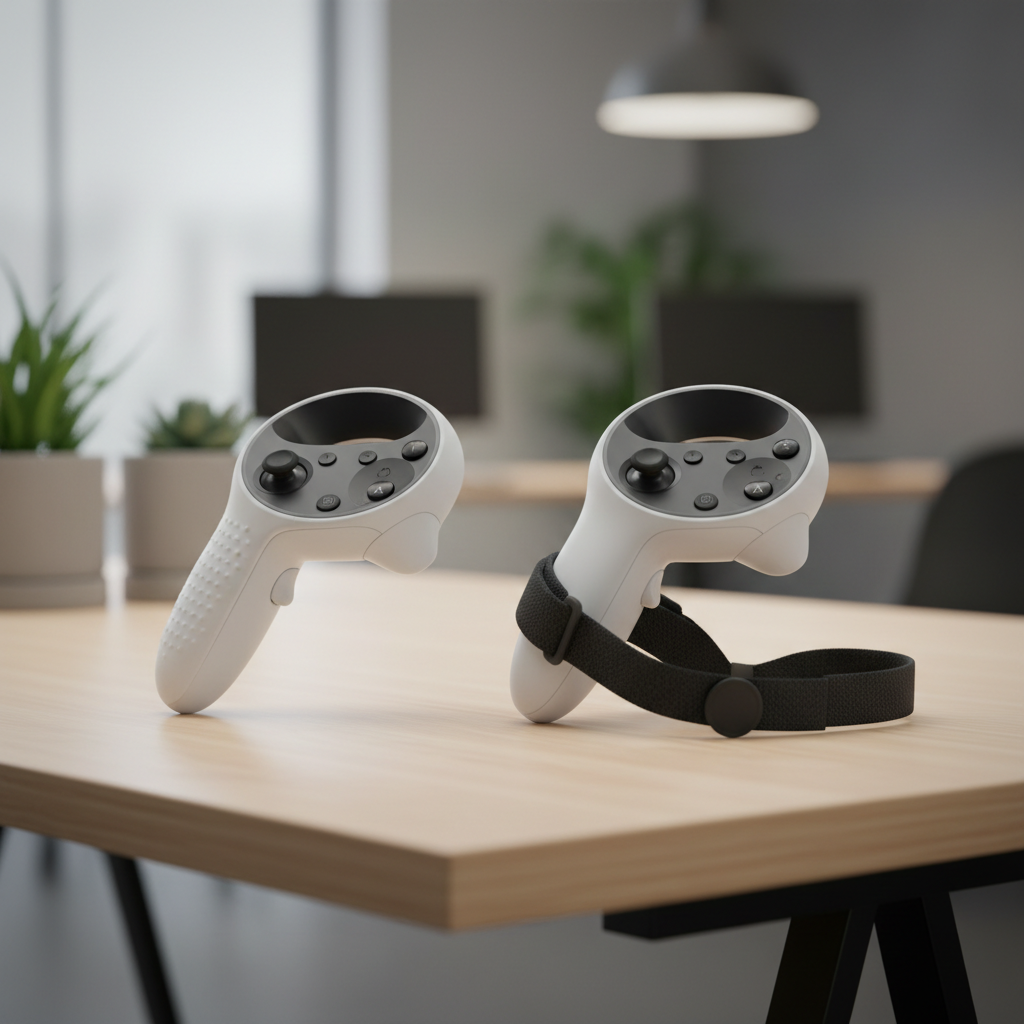
This guide focuses on what actually changes your experience, strap style, material feel, battery access, tracking ring clearance, and cleaning effort, so you can pick grips that match how you play instead of buying whatever has the most listings.
What makes Quest 3 controller grips “best” (in real use)
Most people shop grips like they’re cosmetic, but the best VR grips for Quest 3 are more like fit gear: they should disappear once you start playing.
- Security: a stable hold during fast swings and sudden stops, especially in rhythm games and boxing.
- Comfort over time: fewer pressure points at the palm heel and less finger cramping.
- Material control: better friction when hands get warm, without feeling sticky or abrasive.
- Practicality: battery door access, no blocking the tracking ring, and easy wipe-down after workouts.
According to Meta, maintaining clear line-of-sight and avoiding occlusion around controller tracking elements supports tracking performance, so grips that crowd the tracking ring or add bulky seams in the wrong places can create annoyances you did not bargain for.
Quick comparison table: common grip types for Quest 3
If you just want a fast short-list, start here. Brands vary, but the tradeoffs stay pretty consistent.
| Grip type | Best for | Pros | Watch-outs |
|---|---|---|---|
| Silicone cover (no strap) | Casual play, basic protection | Easy install, better friction, protects from scuffs | Can feel warm, may collect dust, less secure for “open hand” moments |
| Knuckle strap grip | Rhythm, shooters, active games | Lets you relax your grip, reduces dropping risk | Fit matters, cheap straps can loosen or rub |
| Textured TPU/rubber hybrid | Sweaty hands, longer sessions | Balanced feel, often less “sticky” than silicone | Can be harder to clean, texture may irritate sensitive skin |
| Full protective shell (hard + soft) | Households, shared devices | Impact protection, more coverage | Bulkier, increased chance of tracking ring interference |
Why your controllers feel slippery or tiring (and how grips help)
Grip problems usually aren’t “weak hands,” they’re small mismatches between your play style and the controller surface.
- Sweat film: once moisture builds, smooth plastic becomes low-friction, silicone or textured rubber gives you more bite.
- Over-gripping: if you squeeze to feel safe, forearm fatigue shows up fast, knuckle straps let you loosen up.
- Hand size mismatch: smaller hands often struggle with stable leverage, thicker grips can fill the palm and reduce pinching.
- Fast acceleration games: Beat Saber, boxing, and tennis-style titles punish a grip that shifts even a few millimeters.

When people say they found the best vr controller grips quest 3, they usually mean they stopped thinking about grip entirely, because the strap carries part of the load and the surface stops sliding.
Self-check: which grip style fits your situation?
Pick the closest match, then shop inside that category instead of bouncing between random products.
If you play Beat Saber, Supernatural, boxing, or any “swing hard” game
- Prioritize: knuckle strap grip with adjustable tension
- Look for: strap that stays centered, soft edge binding, quick tighten/loosen
- Avoid: bulky shells near the tracking ring
If your hands get sweaty but you hate sticky silicone
- Prioritize: textured TPU/rubber hybrid
- Look for: micro-texture, matte finish, easy rinse
- Avoid: glossy “soft-touch” coatings that turn slick when warm
If you share Quest 3 with family or guests
- Prioritize: easy-to-clean covers and straps
- Look for: wipe-friendly material, simple removal, minimal seams
- Avoid: deep textures that trap lint and skin oils
If you mostly play seated, slower games, or use VR for media
- Prioritize: simple silicone cover for comfort + protection
- Look for: good battery door access and a snug fit
- Avoid: straps that add fiddly setup you won’t use
How to choose the best VR controller grips for Quest 3 (step-by-step)
This is the part that saves money, because most returns happen for predictable reasons: bad fit, annoying battery changes, or strap rub.
1) Check tracking ring clearance before anything else
Grip covers should not crowd the ring edge or add thick seams near the top. If a product looks “puffy” around the ring in photos, it may cause occasional tracking weirdness in certain lighting and angles.
2) Decide how you want the strap to behave
- Knuckle straps: best for letting go without dropping, great for throwing mechanics and rhythm games.
- Wrist lanyards: basic safety backup, but you still need to squeeze to stay secure.
3) Think about battery changes like a weekly chore
If you swap AAs often, choose grips with a battery door cutout that doesn’t require peeling the cover back every time. That sounds small, but it becomes “I’ll deal with it later,” then your controllers die mid-session.
4) Match thickness to your hand comfort
- Small hands: moderate thickness can reduce finger pinch, but too thick makes buttons feel far away.
- Large hands: thicker grips can feel better, but watch that the strap still tightens enough.
Installation, fit tuning, and maintenance tips (the practical stuff)
Even the best vr controller grips quest 3 can feel wrong if the strap sits off-center or the cover bunches near the palm.
Fit tuning that actually helps
- Center the strap across your knuckles, not angled toward the index finger, that angle causes rubbing in fast games.
- Set “two-finger slack”: tight enough to relax your grip, loose enough that you can shift the controller slightly for button reach.
- Do a 60-second stress test: swing gently, open your hand, then re-grip, if the controller rotates, tighten or reposition.
Cleaning without ruining the material
- Most silicone and TPU covers tolerate a damp microfiber cloth and mild soap.
- Avoid harsh solvents, they can degrade coatings and leave a permanent tacky feel.
- If you have skin sensitivities, consider consulting a medical professional about contact irritation, especially for long workouts.
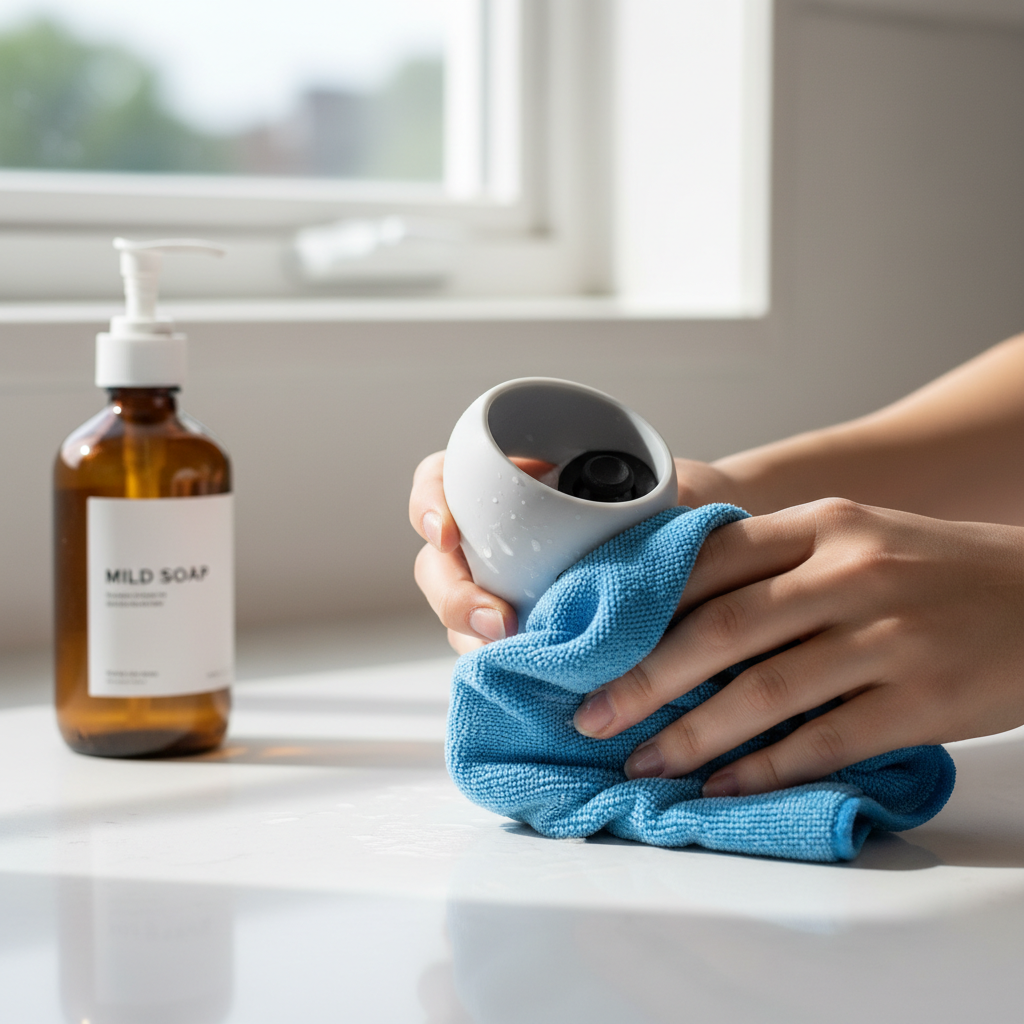
Small habit that helps: wipe grips right after active sessions, once sweat dries, it tends to leave residue that feels slippery later.
Common mistakes that waste money (and how to avoid them)
- Buying the thickest option by default: thickness fixes some comfort issues but can hurt button reach, especially for smaller hands.
- Ignoring battery access: if replacing batteries requires removing the grip, you may stop using the grip, not the other way around.
- Assuming “more coverage” equals “better tracking”: extra material near the ring can be a quiet problem, even if it looks protective.
- Over-tightening straps: a strap should reduce squeezing, not create a new pressure point across knuckles.
If you keep bouncing between products, it’s often because you need a different category, not a different brand. People chasing the best vr controller grips quest 3 sometimes try three silicone covers, when what they wanted was a knuckle strap from the start.
Conclusion: the “best” grip is the one that matches your play style
If you play active titles, a quality knuckle strap grip tends to deliver the biggest upgrade because it improves security and reduces fatigue at the same time. If you play casually or mainly want protection, a well-fit silicone or TPU cover is usually enough, provided it stays clear of the tracking ring and doesn’t make battery swaps miserable.
Key takeaways:
- Choose grip type by game style, not by listing photos.
- Prioritize tracking ring clearance and battery access.
- Fit tuning matters, a small adjustment can beat a “better” grip on paper.
Action step: decide which category you fit (strap, cover, hybrid), then compare products only inside that group, you’ll land on the right Quest 3 grip faster and with fewer returns.
FAQ
Do controller grips affect Quest 3 tracking?
They can. If a grip adds bulk or seams near the tracking ring, tracking may become less consistent in certain angles or lighting. Choosing a low-profile design around the ring usually avoids headaches.
Are knuckle straps worth it for Quest 3?
For many active players, yes. The main benefit is being able to relax your fingers without feeling like the controller will fly out, which can reduce fatigue during longer sessions.
What material is better: silicone or rubber/TPU?
Silicone often feels grippy and cushioned, but some people find it warm or sticky. TPU/rubber hybrids can feel drier and more textured, which some prefer for sweaty hands.
Will grips make the controllers feel bigger?
Most covers add some thickness. That can help if the controller feels too slim, but it can also make buttons and thumbstick reach feel slightly farther, especially for smaller hands.
Can I use grips if I swap rechargeable AA batteries often?
You can, but look for designs with easy battery door access. If you must partially remove the cover for every swap, it gets old fast.
How tight should Quest 3 knuckle straps be?
Tight enough that the controller stays put when you open your hand, but not so tight that you feel pressure across knuckles or tingling. If you notice numbness, loosen and reposition.
Are grips safe for workout VR sessions?
Generally they help with control, but sweat and friction can irritate skin for some users. If you notice rash or pain, stop using them and consider asking a medical professional.
If you’re still undecided, make your choice easier by writing down your top two games and your main annoyance, slipping, hand fatigue, or cleaning hassle, then pick the grip style that targets that issue directly instead of chasing “one grip for everything.”